Mold in Aurora almost always traces back to water: a leaking pipe, a seeping basement, a sewer backup or a roof leak. Call the number on this page to be connected with a local mold company that serves your part of the city.
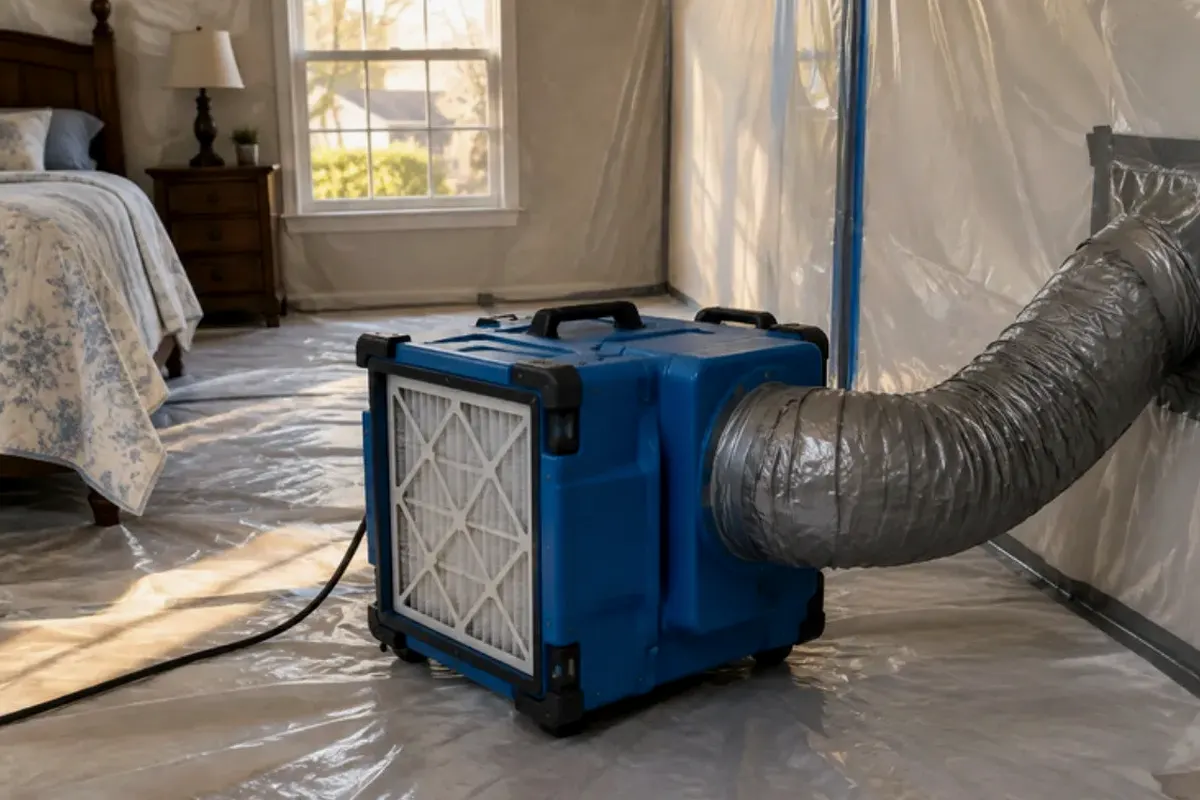
Mold services in Aurora
A big city with very different housing
Aurora is a home rule city east of Denver that covers more land than Denver itself and reaches into Arapahoe, Adams and Douglas counties. The older neighborhoods near the original townsite in the northwest were built long before the master-planned communities strung out along E-470. A drain line in an older house and a finished basement in a newer subdivision fail in different ways, so a good first call describes where the water came from and when.
Where mold starts here
The Front Range is dry outdoors, so indoor mold needs a water source. Around the city the usual ones are supply-line and water heater leaks, frozen pipes in a cold snap, roof leaks after heavy snow, and seepage through a basement wall or floor. Aurora's flood awareness page advises homeowners to keep a battery backup on the sump pump and to look at separate flood and sewer backup coverage, because basement seepage and sewer backup are not covered by a standard policy. Expansive clay soils are also common along the Front Range, and the Colorado Geological Survey lists cracked basement slabs among the signs of swelling ground. Cracks let moisture in. See our page on basement mold removal in Aurora if the problem is below grade.
Renters in Aurora
Colorado's warranty of habitability can make a rental uninhabitable when mold is associated with dampness. Colorado Legal Services says the landlord must be told in writing, and then has to start acting within 24 hours for urgent problems and within 96 hours for less urgent ones. In this city, the Neighborhood Support Division's Health and Housing Codes program runs inspections of rental units on a complaint basis, and its checklist lists excessive mold on walls and ceilings, roof leaks into occupied units and leaky pipes. Keep a copy of your written notice and dated photos before you file anything.
Permits and the contractor license
Aurora's Public Works Department Building Division handles building permits, including plumbing work. If a repair after remediation involves replacing pipes or a water heater, ask the company who pulls the permit. Colorado has no state mold license, so there is nothing to look up at the state level. Contractor licensing is local, so ask any company you speak with whether it holds the local contractor license where the work is done.
What it may cost
A Denver cost guide from Angi puts mold remediation at roughly $1,109 to $3,112 per project, with basement jobs listed from $500 to $3,500. Your quote depends on the size of the area and on what has to be opened up. Mold in a wall cavity is a different job from mold on a basement ceiling; see mold in walls in Aurora.
Where to go next
If you are sorting out a leak first, read about burst pipe and leak mold removal. If you only suspect a problem, mold inspection in Aurora explains what a visit covers. Homes closer to the metro edge may also be served from Parker or Commerce City. For concerns about your health, talk with your doctor.
Common questions in Aurora
Does Aurora require a state mold license?
Who handles mold complaints in an Aurora rental?
Why does my Aurora basement get musty when the climate is dry?
Do I need a mold test before calling?
Nearby cities and towns
Sources
- City of Aurora Building Division permit application
- City of Aurora Health and Housing Codes
- City of Aurora flood awareness
- Colorado Geological Survey: expansive soil and rock
- Colorado warranty of habitability, C.R.S. 38-12-505
- Colorado Legal Services: warranty of habitability
- Restoration firm puts together a round-up of state requirements
- How Much Does Mold Remediation Cost in Denver, CO? | Angi
- EPA: A Brief Guide to Mold, Moisture and Your Home
Last updated: