Mold work is several different jobs: an inspection, sampling if it is warranted, removal, repairs to the damp spot and a final check. Which comes first in Lone Tree depends on what you see and smell. Call the number on this page to be connected with a local mold company in Lone Tree.
Mold services in Lone Tree
Spring melt and summer storms
When snowmelt arrives and afternoon thunderstorms follow, water runs toward foundations. Downspouts that dump beside the house, soil that slopes inward and cracked window wells let it seep through. Lower walls and corners are where staining and fuzzy growth tend to appear first. Walk the outside of the house during a storm and see where water pools. Check basement corners and the wall base for tide lines.
If water is still moving
Shut off the supply if you can do it safely, and start drying with fans, towels and open windows. EPA advises drying wet materials within 24 to 48 hours. Then call to find out whether you need drying equipment, an inspector or both. For danger, contact emergency services first. Keep your landlord or association informed while you arrange things.
Before work starts in Lone Tree
Mold work in Colorado isn't covered by a state mold credential. Any repairs after cleanup fall under local contractor rules, which differ from one city to the next.
The Lone Tree Community Development handles building permits here, so that's the place to check before walls, cabinets or flooring go back in.
Renting? Colorado's warranty of habitability counts mold associated with dampness as a condition a landlord must fix after written notice; Colorado Legal Services says action should start within 24 hours for urgent problems.
Companies that take calls here usually also work in Parker, Louviers and Sedalia.
Removal and drying
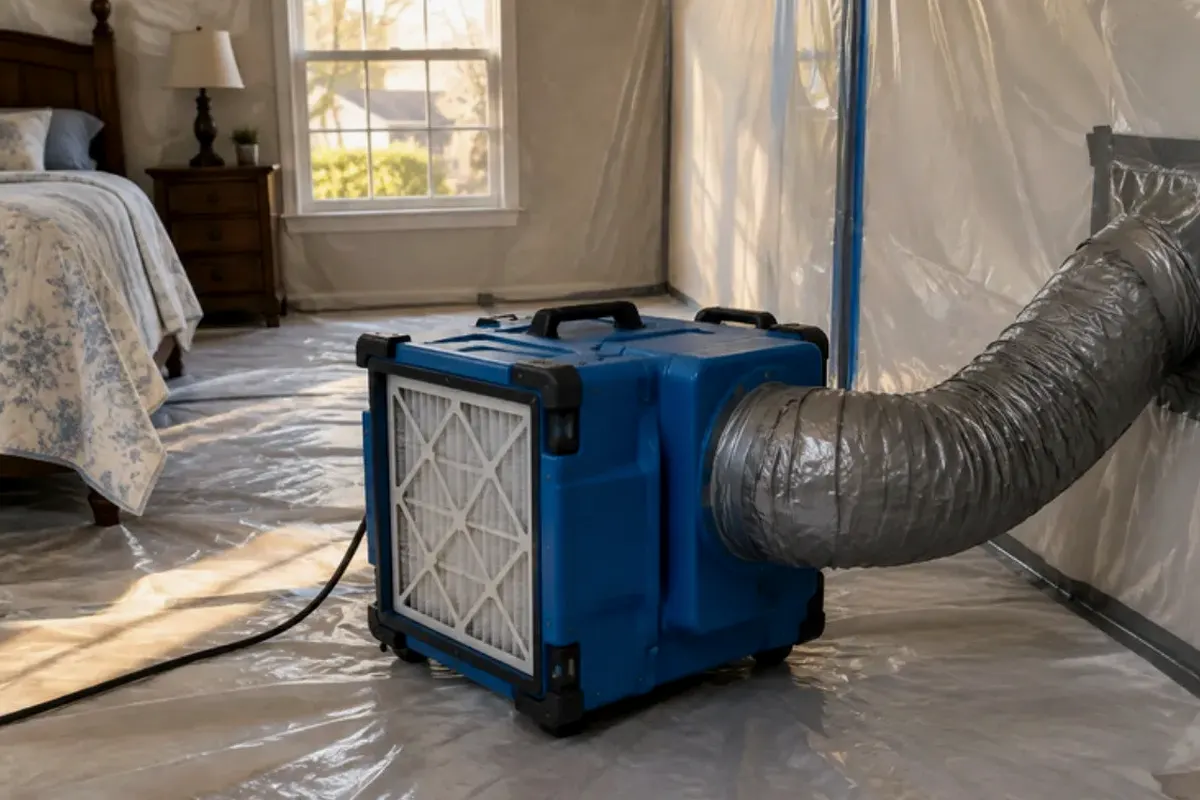
Remediation typically includes sealing off the area, removing porous materials that stayed moldy, cleaning what can be saved and drying the structure. Contractors may also repair the leak or refer you to a plumber or roofer. Ask who handles each step before work begins. Ask whether drying equipment stays on site and for how long.
Compare more than the total
A low figure that leaves out containment, drying or a final check may cost more once walls are reopened. Ask each company to itemize so you compare like with like. Also ask about references from similar jobs, and read any paperwork before you pay a deposit. Ask how the company would tell when the area is dry enough to close.
Keep it from coming back
EPA suggests keeping indoor humidity below about 60 percent, ideally 30 to 50. Clean gutters, point downspouts away from the foundation, service the swamp cooler, run bath fans and check the sump pump each season. Those chores prevent more repeat calls than any treatment. Keep a copy of the clearance report with your closing or lease papers.
Common questions in Lone Tree
Why does mold grow in such a dry climate?
What is clearance testing?
Does homeowners insurance cover mold?
Does calling commit me to hiring anyone?
Nearby cities and towns
Sources
Last updated: