Mold remediation means fixing the water problem that fed the mold, then containing, removing and cleaning affected materials. In Denver, mold usually follows a leak, a burst pipe or a damp basement, not the outdoor air. Call the number on this page to be connected with a local mold company in Denver.
What remediation involves
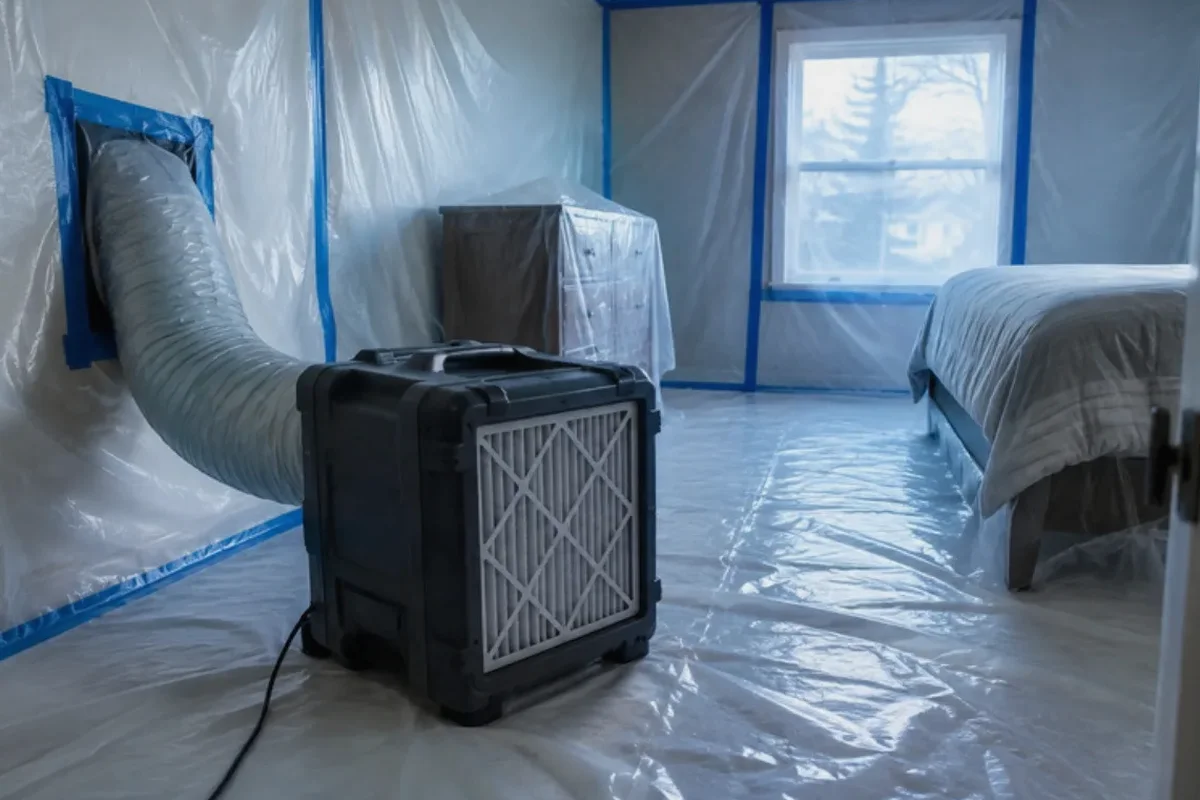
Remediation is more than wiping a stain. A local company looks for the moisture that allowed growth, seals off the work area so spores are not spread through the house, removes or cleans mold-damaged materials, and dries the space. Porous items such as wet drywall, insulation and carpet are often removed, while hard surfaces can usually be cleaned. Repairs and rebuilding are a separate step.
When Denver homes need it
Denver sits in a dry, sunny climate, with average annual precipitation of 15.6 inches, according to NOAA figures posted by Metro Denver Economic Development. That is why mold here almost always traces to indoor water: a slow plumbing leak, a pipe that froze and burst in a cold snap, a failing water heater, ice dams on the roof, window wells that let water in, or a basement that takes on seepage after snowmelt. Evaporative coolers and furnace humidifiers can add moisture too.
EPA describes patches under about 10 square feet as ones many people can handle themselves. Larger areas, repeated growth or significant water damage are where a professional job makes sense.
What it costs
Prices vary with the size of the area and the materials involved. A Denver cost guide (Angi) lists overall mold remediation at roughly $1,109 to $3,112 per project, and about $10 to $25 per square foot. Another Denver estimate (HomeBlue) puts a 500 square foot area at about $5,200 to $10,300. Treat these as ballparks and get the scope in writing. Our Denver cost guide breaks the numbers down.
Check before you hire
Colorado has no state mold remediation license, so there is no state license to look up. Contractor licensing is handled locally. The City and County of Denver issues its own contractor licenses and does not accept licenses from other counties or states, so ask any company whether it holds the local contractor license for the work and the jurisdiction. Ask for a written scope, how containment will be done, and how the moisture source will be addressed. Work that involves structural changes may also need a building permit from Denver Community Planning and Development.
If you rent
Colorado's warranty of habitability can treat a rental as uninhabitable where there is mold associated with dampness, though it excludes minor mold on surfaces that normally collect moisture. Colorado Legal Services says a landlord generally must be told in writing, then act within 24 hours for urgent problems and 96 hours for less urgent ones. In Denver, the Denver Department of Public Health & Environment takes residential housing complaints.
Related work
Many jobs start with a mold inspection, and some end with clearance testing. If you have health concerns, talk with your doctor.
Mold Removal & Remediation questions from Denver homeowners
How long does mold remediation take in Denver?
Do I need a state license to hire a mold remediator in Colorado?
Will insurance or my landlord pay for it?
Can I just clean mold myself with bleach?
Related mold services in Denver
Helpful guides
Mold Removal & Remediation in nearby cities and towns
Arapahoe County
Jefferson County
Adams County
Douglas County
Boulder County
Broomfield County
Weld County
Gilpin County
Clear Creek County
Sources
- How Much Does Mold Remediation Cost in Denver, CO? | Angi
- Mold Remediation Cost in Denver, Colorado
- A Brief Guide to Mold, Moisture and Your Home (EPA)
- Restoration firm puts together a round-up of state requirements (R&R Magazine)
- Contractor Licensing (Denver Community Planning and Development)
- C.R.S. 38-12-505, warranty of habitability (Justia)
Last updated: