Mold and mildew cleanup means removing growth from surfaces and fixing the moisture that fed it. In a dry place like Denver, that moisture is almost always a leak, a seep or poor ventilation. Call the number on this page to be connected with a local mold company in Denver.
What mold and mildew cleanup covers
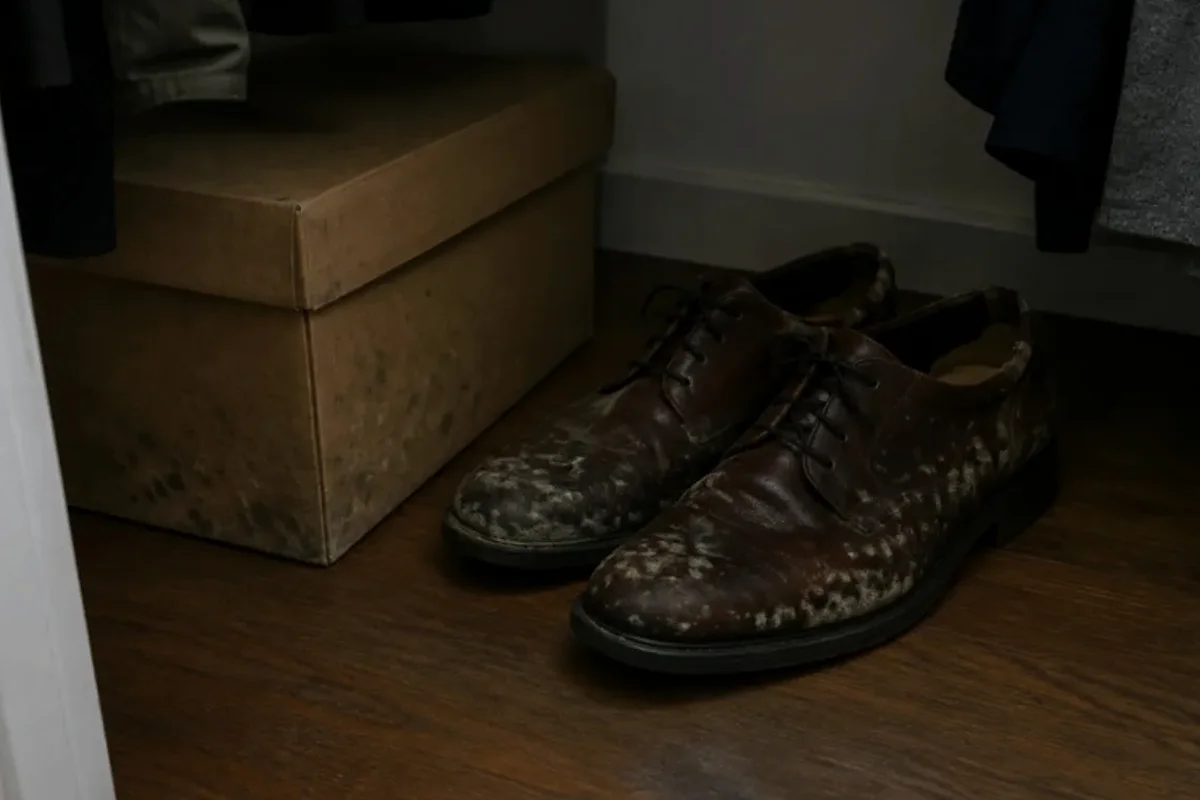
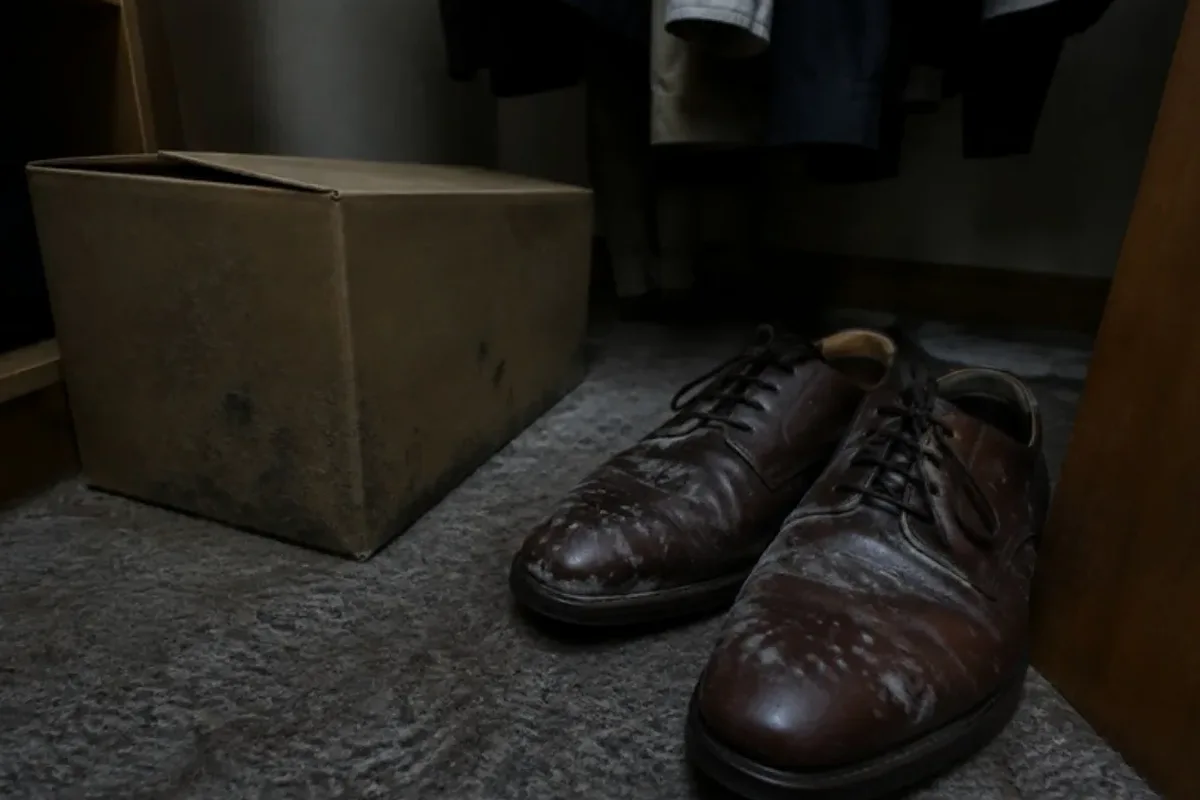
Mildew is usually the flat, powdery growth you see on a shower wall, a window sill or a damp basement corner. Mold is the broader term and can show up as fuzzy, speckled or stained patches on drywall, wood, carpet and stored boxes. Cleanup is the work of taking that growth off, drying the material, and dealing with whatever kept it wet.
When you can handle it and when to call
EPA's guide to mold describes patches smaller than about 10 square feet, roughly a 3 ft. by 3 ft. area, as ones many people can handle themselves. It points to its remediation guidance for larger areas or significant water damage. Call a company when growth is bigger than that, keeps returning, or when drywall or insulation is soaked. If you have health concerns, talk with your doctor. The CDC says reactions to damp, moldy places vary from person to person, and that people with asthma or mold allergies may react severely.
What a cleanup visit usually involves
- The company looks at the affected area and traces the moisture source.
- Porous materials that cannot be cleaned, such as wet drywall or carpet pad, are cut out and bagged.
- Hard surfaces and framing are cleaned and dried.
- You are told what repair is still needed, such as drywall, paint or a plumbing fix.
Why Denver homes get it
Denver is sunny and semi-arid, so outdoor air is rarely the cause. Metro Denver Economic Development, citing NOAA, lists average annual precipitation at 15.6 inches and average afternoon humidity at 43 percent. Indoor mold here traces to water: a slow plumbing leak, a washer hose, a window well that lets in snowmelt, an unvented bathroom, or a roof leak after heavy snow.
What it costs
Costs depend on the size of the area and how much material has to come out. A Denver cost guide (Angi) puts mold remediation at about $10 to $25 per square foot, and overall projects at about $1,109 to $3,112. Another Denver guide (HomeBlue) lists roughly $10 to $21 per square foot. Treat these as ranges, not quotes.
Check who you hire
Colorado does not require a state mold remediation license, so there is no state mold license to look up. Contractor licensing is handled locally. The City and County of Denver issues its own contractor licenses and does not accept licenses from other counties or states. Ask any company whether it holds the local contractor license for the work and the address where the job is located.
If you rent
Colorado's warranty of habitability can cover mold associated with dampness. Colorado Legal Services says a landlord generally needs to be told in writing, then must start acting within 24 hours for urgent problems and 96 hours for less urgent ones. In Denver, the Denver Department of Public Health & Environment takes residential housing complaints.
Mold & Mildew Cleanup questions from Denver homeowners
Is mildew the same as mold?
Can I clean mold myself in Denver?
Will bleach solve it?
How do I get connected?
Related mold services in Denver
Helpful guides
Mold & Mildew Cleanup in nearby cities and towns
Arapahoe County
Jefferson County
Adams County
Douglas County
Boulder County
Broomfield County
Weld County
Gilpin County
Clear Creek County
Sources
- A Brief Guide to Mold, Moisture and Your Home (EPA)
- About Mold and Your Health (CDC)
- How Much Does Mold Remediation Cost in Denver, CO? | Angi
- Mold Remediation Cost in Denver, Colorado
- Contractor Licensing (Denver Community Planning and Development)
- Restoration firm puts together a round-up of state requirements (R&R Magazine)
- Warranty of Habitability (Colorado Legal Services)
Last updated: