Post-remediation clearance testing is a check, done after mold removal, that the area is clean and dry enough to rebuild or reoccupy. It usually combines a visual review with air or surface sampling. Call the number on this page to be connected with a local mold company in Denver.
What clearance testing is
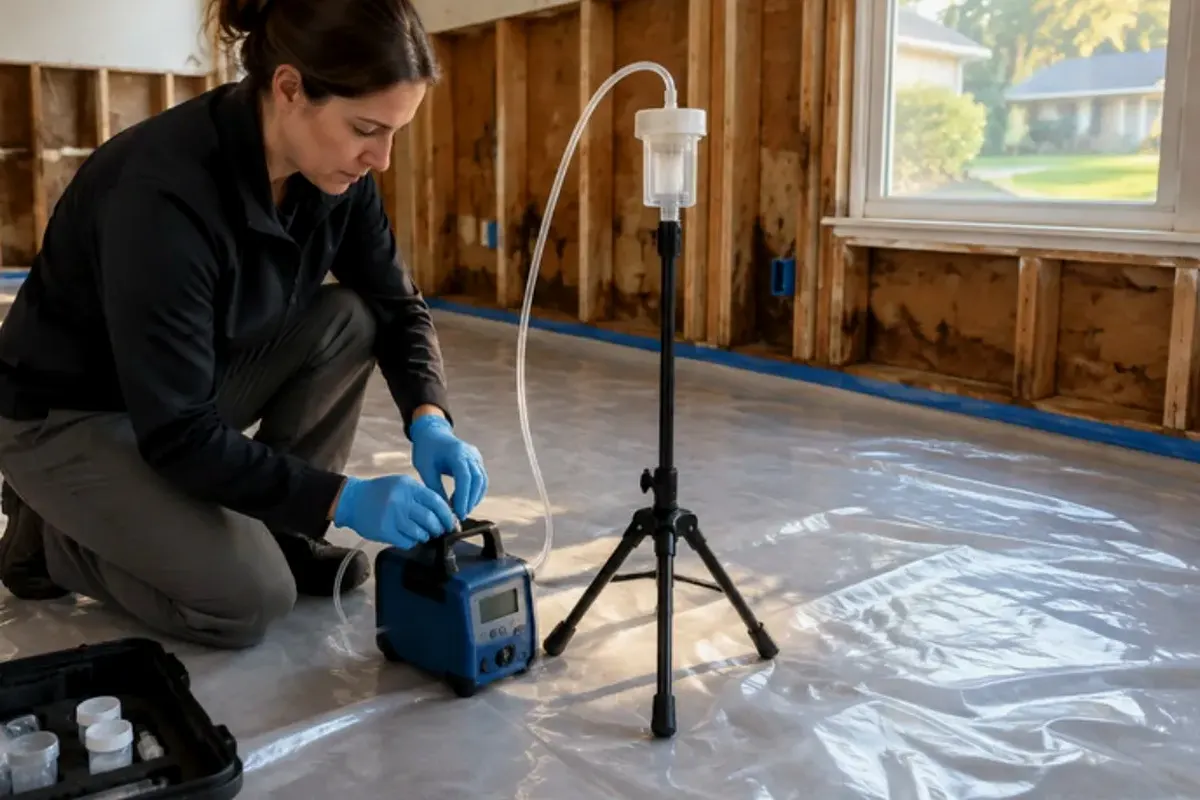
After mold has been removed, someone has to decide whether the job is finished. Clearance testing is that decision backed by evidence. A tester looks over the work area for remaining growth, dust and moisture, and may take air samples or surface samples that are sent to a lab. The results are compared with what was found outside or in an unaffected room.
When it makes sense
It helps most after larger jobs, jobs involving sensitive occupants, rental disputes, real estate sales, and insurance or contract situations where a written result matters. It is often unnecessary for a small patch you cleaned yourself. EPA's mold guide says that if visible mold is present, sampling is usually unnecessary, and that no EPA or other federal limits have been set for mold or mold spores. That is why a clearance result should be read as a comparison and a visual finding, not a pass against a legal number.
Keep the tester separate when you can
A common practice is to have a different company do the testing than the one that did the removal, so the same party is not grading its own work. A local mold company can explain whether that fits your job and who in the Denver area performs sampling.
What happens
- The tester confirms the removal area is dry and finished.
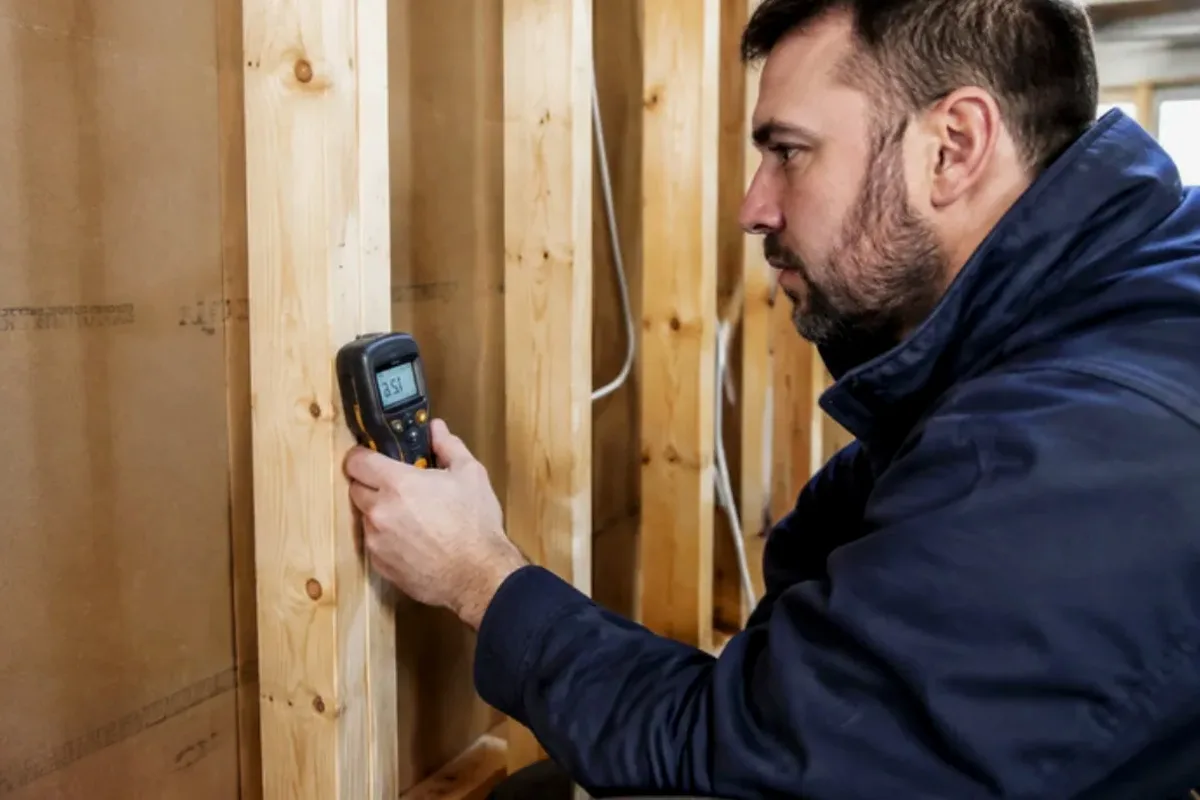
- They inspect for visible growth, dust and moisture readings.
- Samples are collected inside the area and, for comparison, outdoors or in a clean room.
- A lab reports the results, usually within days, and you get a written summary.
- If results are not where they should be, the area is cleaned and rechecked.
What it costs
We do not have a Denver-specific price for clearance testing. National figures from HomeGuide list mold air sampling at about $100 to $300 per test and a typical home mold inspection at $300 to $650. A Denver cost guide (Angi) lists a typical home mold inspection at $300 to $1,075. A clearance visit with several samples will land above a single test, so ask for the number of samples and what is included in writing.
Check who you hire
Colorado does not require a state mold license, so there is no state mold license to look up for testers or remediators. Contractor licensing is local, and the City and County of Denver issues its own contractor licenses and does not reciprocate those from other counties or states. Ask what the company holds for the work it does in Denver.
Denver angle and renters
Denver homes dry out quickly in sunny, low-humidity weather, but a basement or wall cavity that stays damp can undo a cleanup. EPA advises keeping indoor humidity below 60 percent, ideally 30 to 50 percent. If you rent, Colorado's warranty of habitability can cover mold associated with dampness after written notice to the landlord, and the Denver Department of Public Health & Environment takes residential housing complaints. If you have health concerns, talk with your doctor.
Post-Remediation Clearance Testing questions from Denver homeowners
What does clearance testing tell me?
Is clearance testing required in Colorado?
Who should test, the remover or someone else?
How much does a test cost?
Related mold services in Denver
Post-Remediation Clearance Testing in nearby cities and towns
Arapahoe County
Jefferson County
Adams County
Douglas County
Boulder County
Broomfield County
Weld County
Gilpin County
Clear Creek County
Sources
- A Brief Guide to Mold, Moisture and Your Home (EPA)
- How much does a mold inspection cost?
- How Much Does Mold Remediation Cost in Denver, CO? | Angi
- Contractor Licensing (Denver Community Planning and Development)
- Restoration firm puts together a round-up of state requirements (R&R Magazine)
- C.R.S. 38-12-505, Colorado warranty of habitability (Justia)
Last updated: