Colorado has no state mold license, so ask a basement mold company how it will contain the area and what will be done about the water source. Call the number on this page to be connected with a local mold company in Indian Hills.
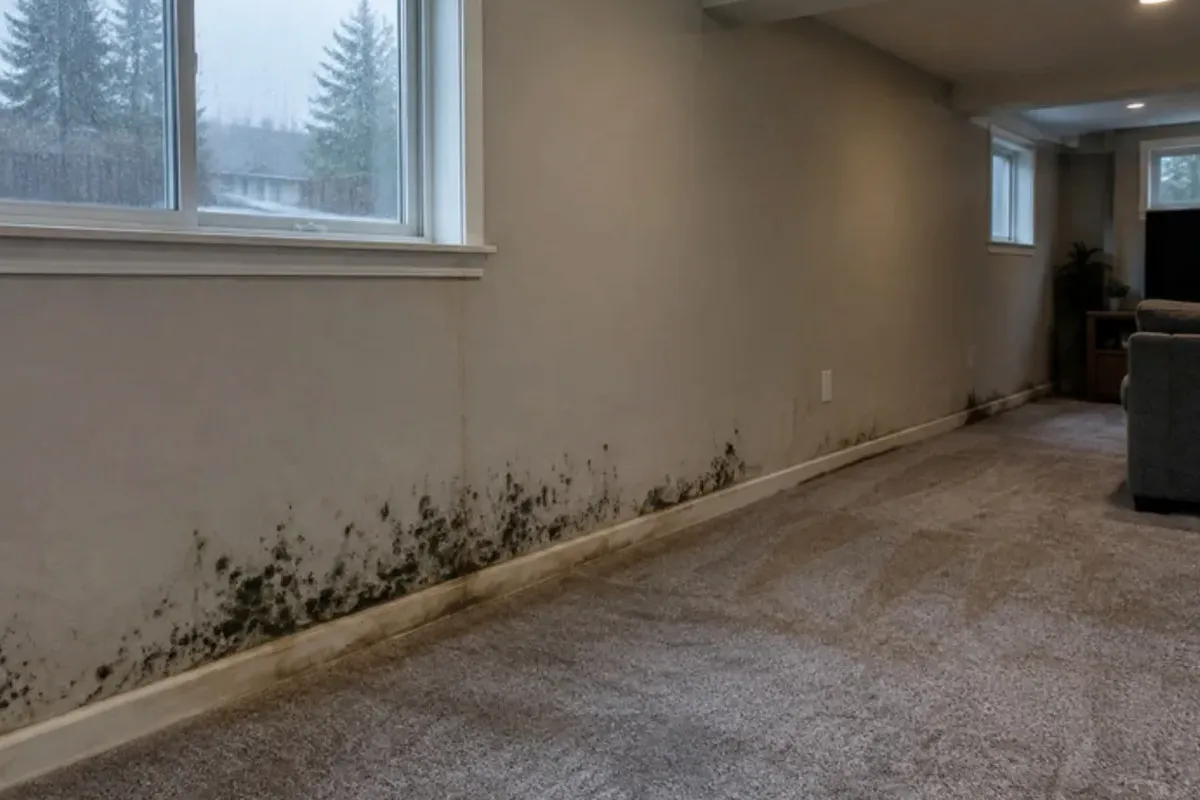
Finished Basements Hide More
Carpet, pad, paneling and drywall form layers that trap water against the foundation wall. Growth can spread between those layers for weeks. By the time a smell appears, the damage behind the finishes is usually larger than the stain you can see on the surface, and may reach the next room.
Cold Concrete and Condensation
In warm months, humid air that finds its way down meets cool concrete and drops its moisture on the surface. Below-grade walls stay cold, and finished walls with no air gap behind them hold that moisture, so dark growth appears on the lower wall first, often behind furniture or a couch.
Steep lots around Indian Hills send runoff toward the house, and basements or crawl spaces on sloped ground often take on water during melt. Closed-up homes can hide mold until you return.
Rebuild Is Often Separate
Many removal quotes end with a clean, dry cavity. New drywall, paint, flooring, trim and cabinets then come as their own project. Ask who does that, and whether any permit is involved, so the total picture is clear before work begins and no surprise arrives afterward.
Who handles what in Indian Hills
No Colorado agency licenses mold remediators. What you can confirm is the local contractor license for repair work and a written plan that names the containment, removal and drying steps.
Rebuild work after the mold comes out, such as new drywall or framing, may need a permit; the Jefferson County Building Safety is the office for Indian Hills addresses.
If you rent, give the landlord written notice of the leak or mold. Colorado's habitability law covers mold tied to dampness, and Colorado Legal Services explains the response times.
Calls from Indian Hills are often matched with companies that also cover Golden, Morrison and Idledale.
Dehumidification Afterward
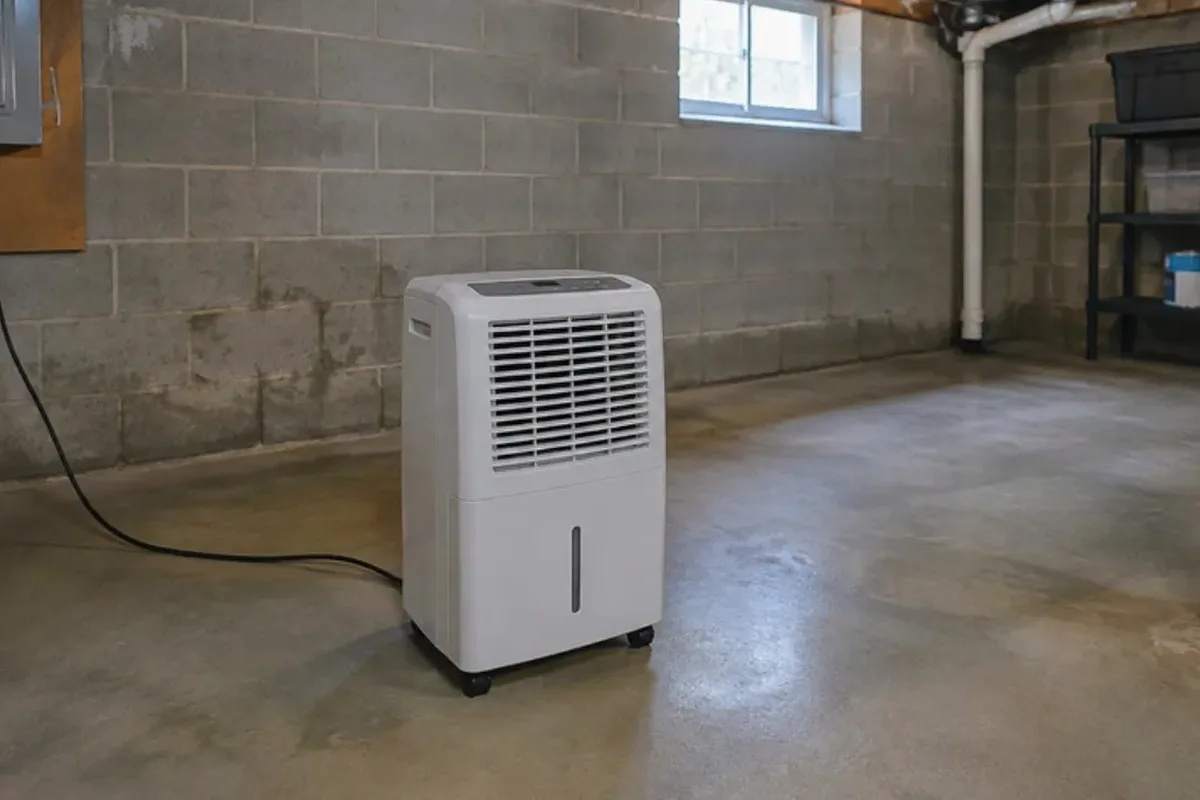
Once the work is done, many homeowners keep a dehumidifier running in the damp months. EPA suggests indoor humidity below about 60 percent, ideally 30 to 50. A hygrometer on a shelf shows whether the basement stays in range through spring melt, summer storms and winter heating.
The 24 to 48 Hour Window
EPA advises drying wet materials within about 24 to 48 hours. After a sump failure, backup or burst line, move quickly: pull wet rugs, lift furniture off the floor and run fans while you arrange professional drying. Waiting turns a drying job into a removal job.
Basement Mold Removal questions in Indian Hills
Can I clean basement mold myself?
Does carpet in a moldy basement have to be removed?
How long does basement mold removal take in Indian Hills?
Can a mountain home left empty get basement mold?
More mold services in Indian Hills
Basement Mold Removal nearby
Helpful guides
Sources
Last updated: