EPA says sampling is usually unnecessary when mold is visible, so a good inspection spends its time on the water source and hidden damp, not on lab kits. Call the number on this page to be connected with a local mold company in Hudson.
After a leak or a cold snap
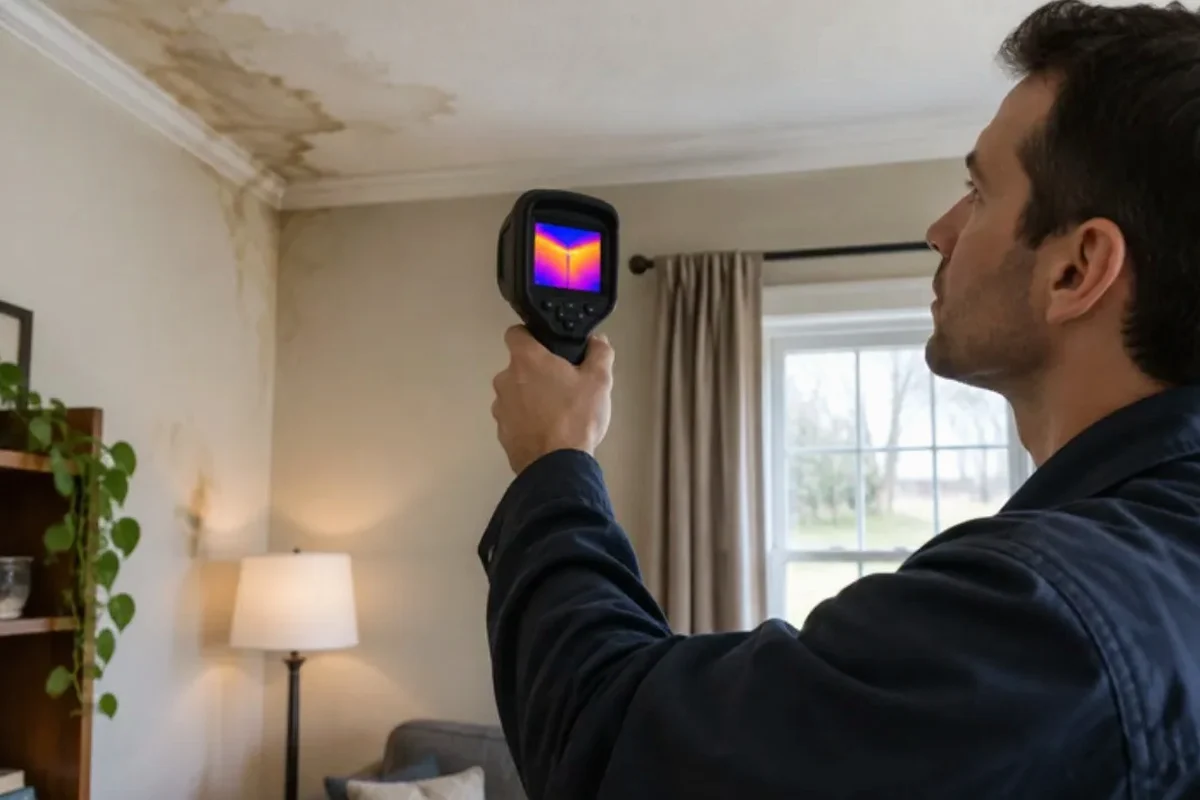
A burst pipe, an overflowing washer or an ice dam that sent water into a ceiling all leave moisture behind. Even after the surface dries, framing and insulation can stay wet. An inspection a few days later shows whether drying worked or whether growth has begun.
Basements get the closest look
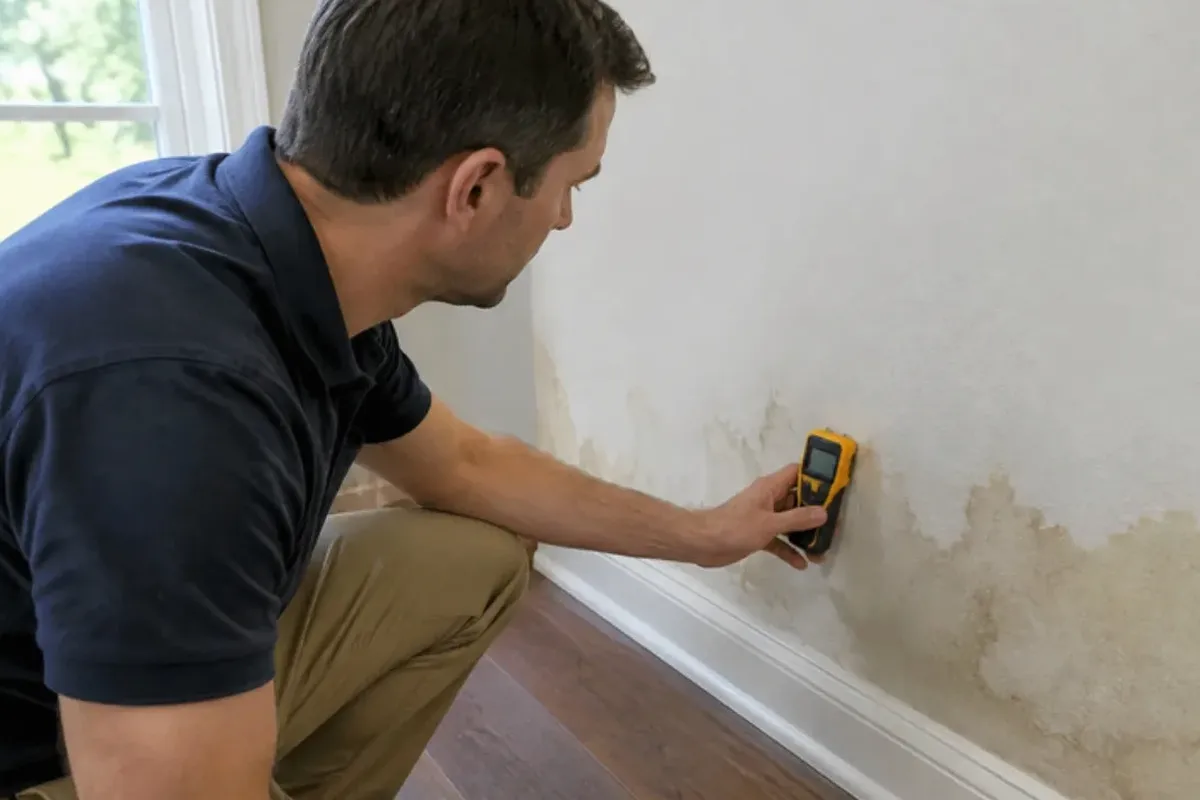
Foundation walls, sill plates, floor slabs and the bottoms of finished drywall are checked first. Expansive clay soil moves the foundation over time, and that movement opens hairline cracks. An inspector uses a moisture meter along the base of each wall to find where it has been wet.
Farm-edge homes often have outbuildings, older additions and long runs of buried pipe, so an inspection there can cover more ground than a typical suburban lot.
Add-ons that raise the total
Air or surface sampling, a borescope look inside a wall, a duct inspection and travel to outlying areas all add cost. None is automatically needed. Decide with the inspector which extras will answer your actual question, and skip the ones that only produce data nobody will use.
What the inspector will ask you
Where have leaks happened? When did the smell begin? Were any floors or walls replaced? Has anyone sprayed or painted over stains? The history shapes where the inspector looks, and a candid answer about earlier cleanup saves time and prevents missing the actual cause.
Humidity you can check yourself
EPA recommends keeping indoor humidity below about 60 percent, and ideally between 30 and 50. A small hygrometer from a hardware store gives a reading in a minute. Place it in the basement and a bedroom, then compare the two over a week or so.
Useful local contacts for Hudson
Because the state doesn't certify mold remediation as its own trade, the useful checks are local: whether the company holds the contractor license your city requires, and whether it puts the scope in writing.
Remediation itself is cleanup, but putting the room back together can be permitted work; ask the contractor whether the local building department needs to be involved.
If you rent, give the landlord written notice of the leak or mold. Colorado's habitability law covers mold tied to dampness, and Colorado Legal Services explains the response times.
Companies that take calls here usually also work in Brighton, Fort Lupton and Commerce City.
Mold Inspection questions in Hudson
What does a mold inspection include?
Is an inspection the same as mold testing?
Who handles mold complaints for a rental in Hudson?
What if the inspector finds nothing?
More mold services in Hudson
Mold Inspection nearby
Helpful guides
Sources
Last updated: