Roof leaks and ice dams send meltwater into attic insulation and ceilings, and the damp material can grow mold after the snow is gone. Call the number on this page to be connected with a local mold company in Boulder.
After a Cold Snap
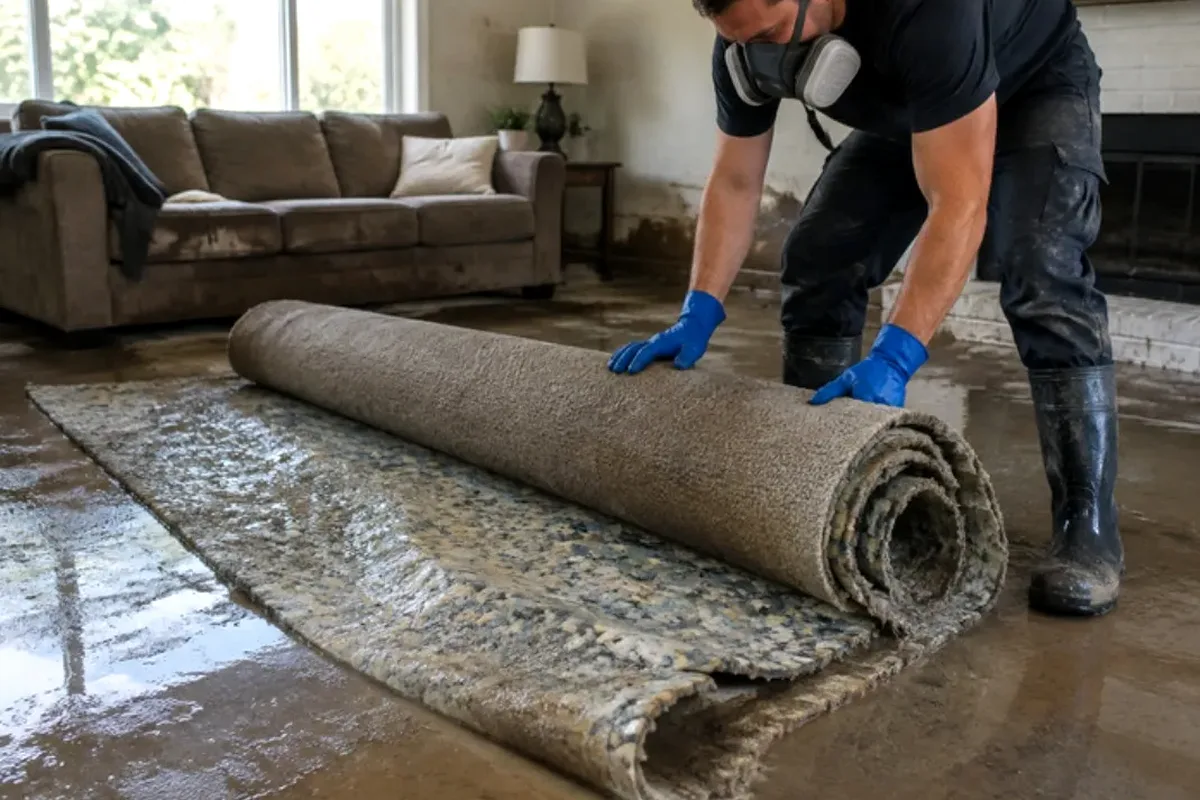
Pipes often split during a hard freeze, then leak only when the thaw arrives. Water may appear hours or days later, sometimes in a room away from the break. If a line froze and the house later smelled damp, check walls and ceilings along its route.
Hail and Wind Damage
Hail bruises shingles, and high winds lift flashing and vent boots. The leak may not show until a later rain or snow. Ceiling stains in spring and summer can trace back to roof damage that happened weeks earlier, so the roof should be checked along with the interior, ideally by a roofer.
In foothills and mountain homes near Boulder, heavy snow, ice dams and second homes left unheated mean a frozen line may leak for days before anyone arrives to find it.
Rebuild Costs Are Separate
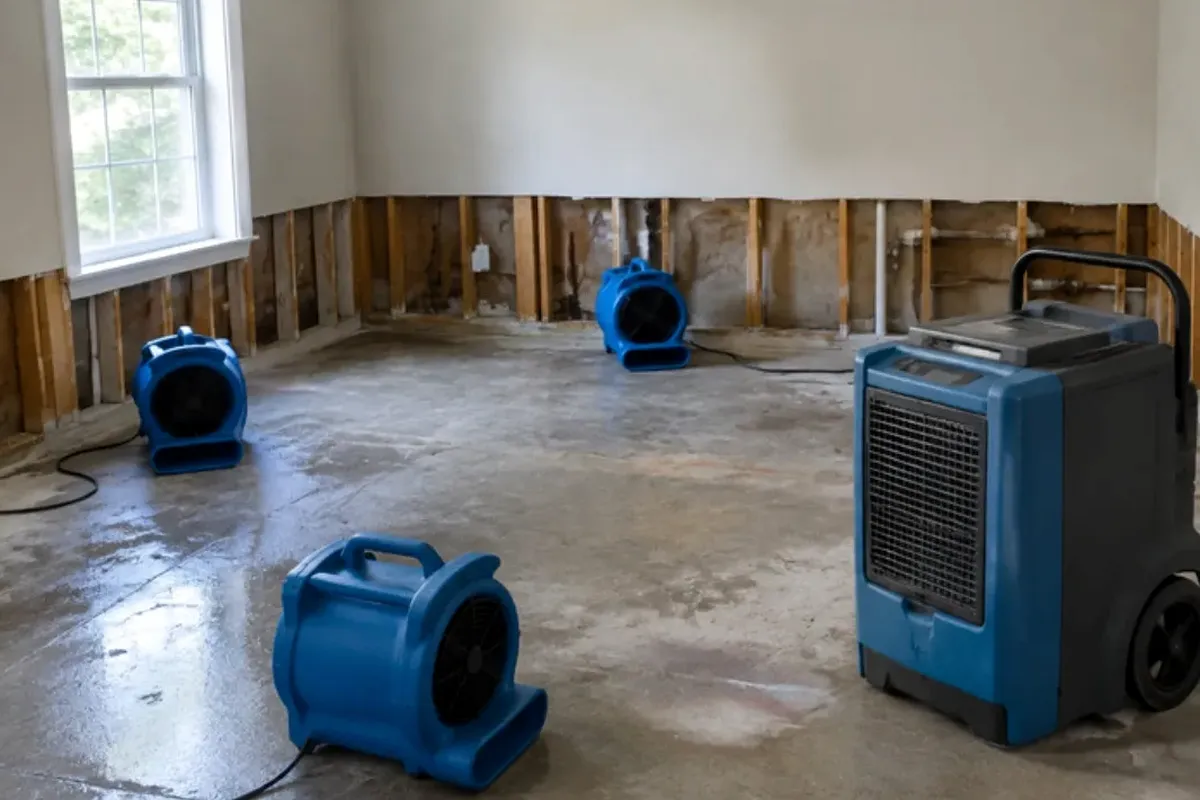
Removal and drying quotes typically stop at a clean, dry structure. Replacing drywall, insulation, flooring, cabinets and paint is another project, sometimes with a permit. Ask each company where its scope ends, so you can plan the rest and compare bids fairly on the same scope.
Who handles what in Boulder
Mold work in Colorado isn't covered by a state mold credential. Any repairs after cleanup fall under local contractor rules, which differ from one city to the next.
Rebuild work after the mold comes out, such as new drywall or framing, may need a permit; the Boulder Planning & Development Services is the office for Boulder addresses.
For tenants, the Boulder Code Compliance Division is the office that handles rental housing complaints here; state law treats mold tied to dampness as a habitability problem once the landlord has written notice.
Nearby, the same kind of help is available in Eldorado Springs, Louisville and Lafayette.
How a Leak Job Usually Runs
A company checks moisture in walls, floors and ceilings, confirms the leak has been stopped, then decides what to extract, dry or remove. Expect equipment such as air movers and dehumidifiers, and a plan that lists moldy materials separately from merely wet ones.
The 24 to 48 Hour Window
EPA advises drying wet materials within about 24 to 48 hours. Open doors and windows if the weather allows, run fans, lift furniture off wet carpet and call for extraction. Every extra day raises the chance that drywall and insulation must come out and be replaced.
Around Boulder
Calls come in from across Boulder, including around US 36, Pearl Street Mall, Flatirons.
Boulder Creek, its 14 tributaries and Boulder Slough run through the city, and the city describes Boulder as having the highest flash flood risk in Colorado.
Burst Pipe & Leak Mold Removal questions in Boulder
Should I remove wet drywall myself?
Will insurance cover mold after a leak?
How long does drying take in Boulder?
Can an old washer hose cause mold?
More mold services in Boulder
Burst Pipe & Leak Mold Removal nearby
Helpful guides
Sources
- City of Boulder
- City of Boulder Planning & Development Services Code Compliance Division: housing complaints
- Colorado Legal Services: Warranty of Habitability
- EPA: A Brief Guide to Mold, Moisture and Your Home
- CDC: About Mold and Your Health
- Denver Community Planning and Development: Contractor Licensing
- Boulder: local background
Last updated: